Kitchen Cabinets
A well-painted kitchen can transform a space quietly but completely. However, it’s important to be aware of the hidden-risks-of-cheap-kitchen-repainting, which can affect both the finish and the longevity of your newly refreshed space. It can brighten the room, soften a dated look, and bring a cleaner, more refined finish to the heart of the home without the disruption of a full replacement.
What often separates an ordinary result from a truly polished one is rarely the colour alone. More often, it is the standard of preparation, the suitability of the primer, the quality of the finish, and the care taken from beginning to end.
Why Preparation Matters
Kitchen cabinets live under constant pressure. They collect grease, cooking residue, hand marks, moisture, and everyday wear, especially around handles, edges, and corners. Where surfaces are not thoroughly cleaned and properly prepared, the finish may still look fresh at first, but the real test usually comes later. Weak adhesion and early wear often begin beneath the topcoat rather than on the day the work is completed.
Preparation usually has the greatest influence on how well a painted kitchen will hold its appearance over time. A more considered result often comes from:
- proper cleaning and degreasing
- careful sanding or de-glossing
- attention to edges, corners, and routed details
- filling and refining imperfect areas
- allowing each stage enough time
Why Surface Type Changes the Approach

Not every kitchen responds to paint in quite the same way. The cabinet material often shapes the process more than people expect.
Common cabinet surfaces include:
- solid timber
- MDF
- veneer
- laminate
- melamine
Some of these surfaces accept paint more naturally, while others depend far more on the right primer and a more deliberate approach. MDF can give a beautifully smooth painted finish, though edges often need extra care. Laminate and melamine can also be repainted successfully, though adhesion tends to become the central concern. The best results usually begin with understanding the surface rather than treating every kitchen as though it were the same.
Why Primer Matters So Much
Primer is often the quiet foundation of the whole job. It is not the part anyone notices at the end, yet it often has the greatest effect on how the finish performs.
On smooth, sealed, glossy, or factory-finished cabinets, a bonding primer usually provides the grip that helps paint hold properly. Where stains, discolouration, marks, or bleed-through are present, a stain-blocking primer helps create a cleaner and more stable base.
A well-chosen primer usually helps with:
- stronger adhesion
- better consistency across the surface
- stain control
- a more even finish
- longer-lasting performance

Why Water-Based Systems Deserve Serious Consideration
For most homes, a high-quality water-based cabinet system is often the most balanced choice. It tends to offer lower odour, easier clean-up, and a more comfortable painting environment within the home, while still giving a durable and washable finish suited to everyday use.
Modern water-based finishes have come a long way. In many cases, they can provide the strength, smoothness, and overall performance people once only associated with older solvent-based systems, while feeling better suited to family homes and lived-in spaces.
In practical terms, a well-selected water-based system can offer:
- lower odour
- easier clean-up
- a durable, washable finish
- a safer-feeling choice for occupied homes
- a strong modern alternative to solvent-heavy systems
Why the Finish Needs to Suit the Room
Kitchen cabinets benefit from a finish designed for repeated handling and regular cleaning. This is not quite the same as painting an ordinary wall. The coating has to cope with daily contact, wiping, warmth, and movement without losing its composure too quickly.
A more suitable cabinet finish usually offers better resistance to:
- repeated touching
- light knocks and scuffs
- routine cleaning
- everyday moisture
- wear around doors and drawers
Why Time Is Part of the Finish
Paint may feel dry earlier than many people expect, but dryness and full hardness are not always the same thing. A kitchen usually benefits when each stage is allowed enough time to settle properly before the room returns to normal use.
A better result often depends on:
- enough drying time between coats
- careful reassembly
- allowing the finish to harden properly
- avoiding unnecessary pressure too early
- treating the newly painted surface with a little restraint at first
Final Thoughts
A successful kitchen repaint is rarely defined by colour alone. More often, it reflects the judgement behind the process — how well the surface was understood, how carefully it was prepared, how suitable the primer was, and how well the finish was matched to the room.
Where the cabinets are still worth preserving, repainting can be one of the most effective ways to refresh a kitchen. Done thoughtfully, it can bring a cleaner, sharper, more elevated feel to the space while remaining practical for everyday living.
Frequently Asked Questions
Is kitchen repainting worth it?
It can be a very worthwhile option where the cabinets remain solid and the overall layout still works well. In those cases, repainting can refresh the room without the disruption of replacement.
Can laminate kitchen cabinets be painted?
Yes, in many cases they can. Laminate usually depends more heavily on correct preparation and the right bonding primer, but it can still produce an excellent result when handled properly.
Why is primer so important in kitchen repainting?
Primer helps create a reliable link between the cabinet surface and the finish coat. It often has a major influence on adhesion, consistency, and long-term durability.
Are water-based products a good choice for kitchen cabinets?
In many homes, yes. A good water-based cabinet system often offers a strong balance of durability, lower odour, easier clean-up, and a more comfortable environment during the work, while still being suitable for high-use cabinetry.
What finish is usually best for kitchen cabinets?
A durable cabinet or trim finish is usually the most suitable choice because it is better equipped for repeated handling and regular cleaning.
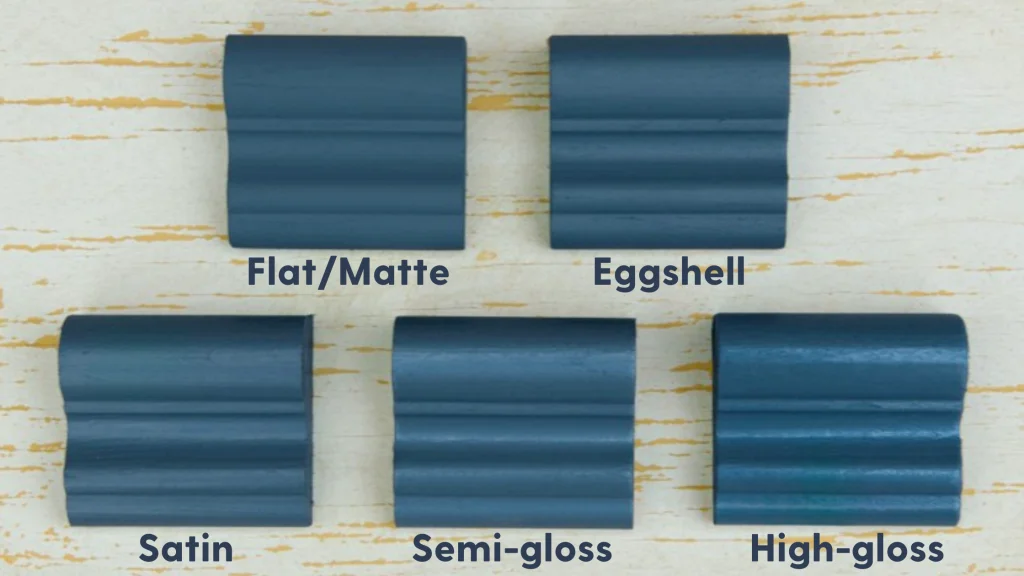
What sheen level tends to work best?
Satin and semi-gloss are often the most balanced choices, offering a refined appearance with good practicality.
Why do some painted kitchens begin to peel or chip?
This often comes back to preparation, primer choice, or the type of finish used rather than the colour itself.
How should freshly painted kitchen cabinets be treated?
Freshly painted cabinets usually benefit from gentler use at first. Even where the surface feels dry, the finish may still be hardening, so lighter handling and softer cleaning often help protect the result in the early stage.