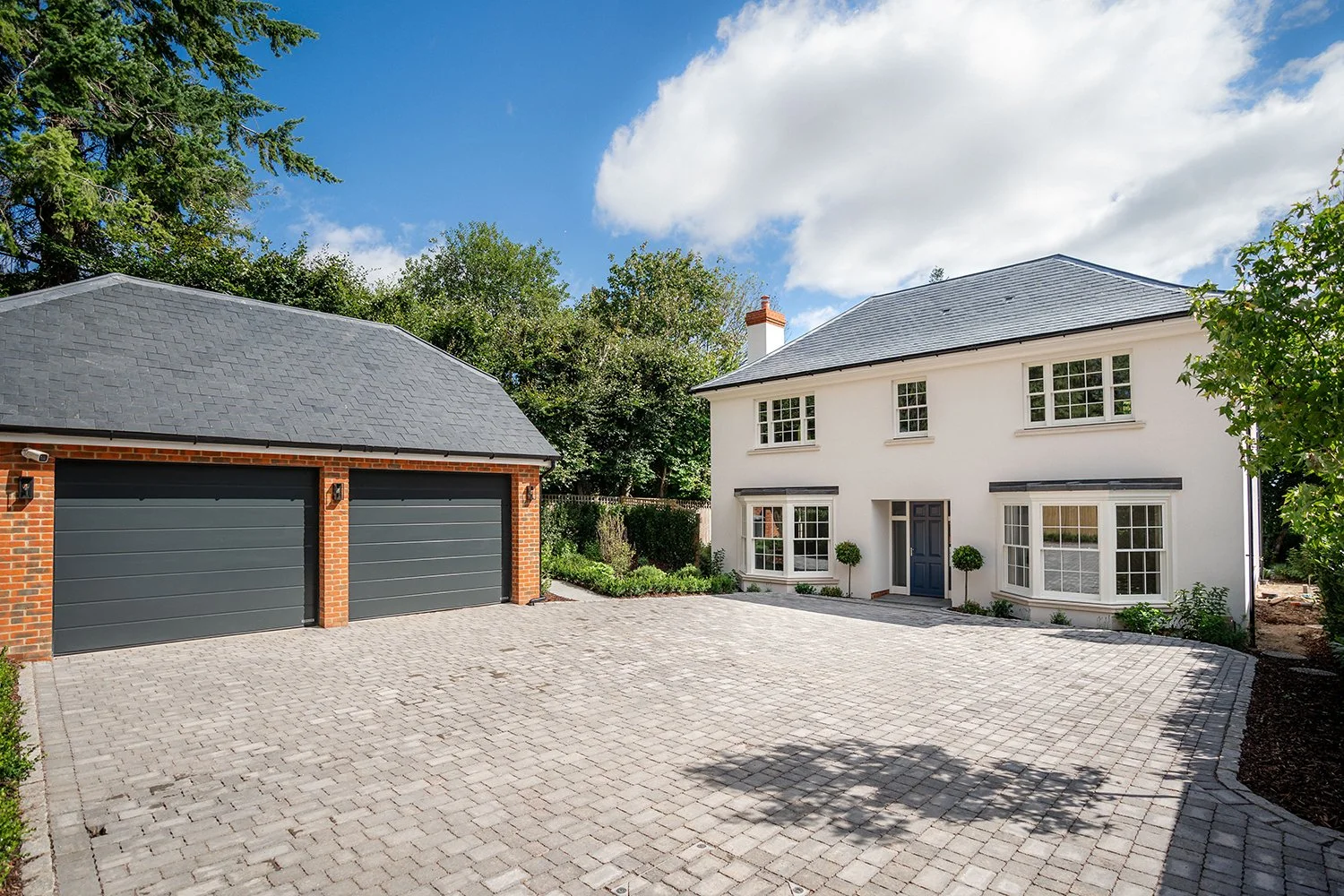
Exterior Painting: What Homeowners Should Consider First
If you are thinking about exterior painting, the time of year matters – but it is not the only thing that matters. A long-lasting exterior finish depends on more than just picking a dry day. You also need to consider the weather, the condition of the surface, how much moisture is in the walls, how long the paint has to dry, and how exposed the property is to rain, wind and damp conditions.
In this blog, we will go through the main things to think about before starting exterior painting in Ireland, including the best season for the work, the conditions you should avoid, the importance of proper preparation, and why homes in Dublin and Wicklow often need extra care. Let’s go through it step by step.
The Best Time of Year for Exterior Painting in Ireland
In most cases, the best time of year for exterior painting in Ireland is from May to September. This is usually the most reliable period for milder temperatures, drier surfaces, and longer weather windows that give paint enough time to dry and cure properly.
Late spring and summer are often ideal because exterior walls have had more time to dry out after the wetter winter months. Early autumn can also be a good time for exterior painting, especially when there is a settled spell of weather. However, once the nights start getting colder and the mornings become damper, the conditions become less reliable.
This does not mean that every day between May and September is suitable. A wet week in July can still be worse than a dry spell in April. That is why the actual weather conditions matter more than the month on the calendar.
Why Timing Matters So Much for Exterior Painting
Exterior paint needs the right conditions to bond properly and last. If the surface is damp, the air is too cold, or rain hits too soon after application, the finish may not perform as it should.
Painting at the wrong time of year can lead to problems such as:
- poor adhesion
- patchy drying
- blistering or peeling
- trapped moisture
- a shorter lifespan for the finish
In Ireland, where damp weather, cloud cover and sudden showers are common, timing is one of the biggest factors in whether an exterior paint job lasts.
What Conditions Matter More Than the Season
Even during the best months of the year, exterior painting should only go ahead when conditions are suitable. Before starting, it is important to look at the following:
Dry surfaces
Walls, render, timber and trims should be properly dry before painting begins. If moisture is trapped underneath the new coating, it can cause the paint to fail much sooner.
Stable weather
Exterior painting needs more than one dry afternoon. Ideally, you want a settled weather window with enough time for preparation, application and drying between coats.
Suitable temperatures
If conditions are too cold, paint may not cure correctly. If the temperature drops too much overnight, it can affect the finish and durability.
Low surface contamination
Dirt, chalking, algae, mildew and loose material all need to be dealt with before painting starts. A clean, sound surface is essential for a good result.
Why Preparation Is So Important
Preparation is one of the most important parts of any exterior painting project. Even if the timing is right, poor preparation will often lead to poor results.
Before painting, the exterior surface should be checked for:
- flaking or peeling paint
- cracks in render or masonry
- algae, mould or mildew
- chalky or powdery surfaces
- dirt, grease or pollution staining
- rotten or damaged timber
Any weak or unstable areas need to be dealt with before the new finish is applied. Painting straight over problems usually leads to early failure and more expense later.
Common Reasons Exterior Paint Fails in Ireland
Ireland’s climate can be tough on exterior surfaces. Rain, wind, moisture, moss, algae and temperature changes all put pressure on painted finishes over time.
Some of the most common reasons exterior painting fails include:
Painting onto damp walls
This is a major issue, especially after heavy rain or during periods of high moisture. If the wall has not had time to dry properly, the paint may not bond as it should.
Poor preparation
Loose paint, dirt, mildew or unstable surfaces can all prevent the new coating from performing properly.
Unsettled weather during application
Rain arriving too soon, heavy moisture overnight or low temperatures can all interfere with drying and curing.
Ignoring surface condition
Older render, masonry and timber often need more attention before painting. If existing defects are not dealt with first, the new finish may not last.
When You Should Avoid Exterior Painting
Even in spring and summer, there are times when it is better to wait.
Exterior painting should usually be avoided when:
- the walls are still damp from rain or morning moisture
- the forecast is unsettled over the next day or two
- temperatures are too low
- the surface is chalky, flaky or unstable
- mould, algae or mildew have not been treated properly
- repairs are still needed before painting can begin
Waiting for the right conditions is always better than rushing the job and ending up with a finish that does not last.
Exterior Painting in Dublin and Wicklow
Homes in Dublin and Wicklow often need extra care when it comes to exterior painting. Local weather conditions can make a big difference to how well a finish performs.
In coastal and exposed areas of Wicklow, wind and moisture can be especially hard on exterior walls, woodwork and trims. In Dublin, many homes have older render, previously painted masonry, or shaded elevations that hold moisture for longer. North-facing walls and areas surrounded by trees can also be more prone to algae and mildew.
Because of this, exterior painting in Dublin and Wicklow is not just about choosing the right season. It is about making sure the property is assessed properly, prepared correctly, and painted during the best possible weather window.
Why Professional Exterior Painting Makes a Difference
A professional exterior painting job is not just about applying paint neatly. It starts with knowing when conditions are right, how to prepare different surfaces properly, and how to avoid the common mistakes that shorten the life of the finish.
A good exterior painter will look at:
- the age and condition of the surface
- whether there is moisture or biological growth present
- what repairs are needed before painting
- how exposed the property is to weather
- whether the forecast gives enough drying time for the full job
That level of care makes a big difference to both the appearance and durability of the finished work.
Final Thoughts
The best time of year for exterior painting in Ireland is usually from May to September, but the best results always come down to conditions, preparation and timing rather than the season alone.
If the surfaces are dry, the weather is stable, and the preparation has been done properly, exterior painting can give your home a fresh, durable finish that stands up far better to Irish weather. For homeowners in Dublin and Wicklow, taking the local climate and property condition into account is especially important.
If you are thinking about repainting the outside of your home, it is always worth getting the job assessed properly before starting.
Need Exterior Painting in Dublin,Wicklow, Kildare or Noth Wexford?
At Brushmate Painting & Decorating, we carry out exterior painting with a focus on proper preparation, suitable timing and long-lasting results. Whether your home needs a full exterior repaint, freshening up of walls and trim, or advice on the right time to start, we are happy to help.
Brushmate Painting & Decorating
Máté Simon
Phone: 083 020 1924
FAQ: Exterior Painting in Ireland
What month is best for exterior painting in Ireland?
In most cases, the best time is between May and September, when conditions are generally milder and drier.
Can you do exterior painting in winter in Ireland?
It is usually much riskier in winter because of lower temperatures, damp surfaces and limited drying time.
Why does exterior paint fail so quickly?
Common reasons include damp walls, poor preparation, unstable surfaces and painting in unsuitable weather.
Is summer always the best time for exterior painting?
Not always. A dry, settled period is more important than the month itself. Weather conditions matter more than the season alone.